
Summary
Phase 2 expanded the FX Payments platform to handle bulk import, scheduling, repatriation, and external funding sources.
The Problems
Import Payments originate in third-party trade blotters as CSV files. These files often contain errors. Users needed a way to validate and correct imports without polluting the main table.
Scheduling Payments beyond the tenor window had no home.
Repatriation Converting foreign holdings back to domicile currency is almost always a sell. The system needed to surface this without restricting edge cases.
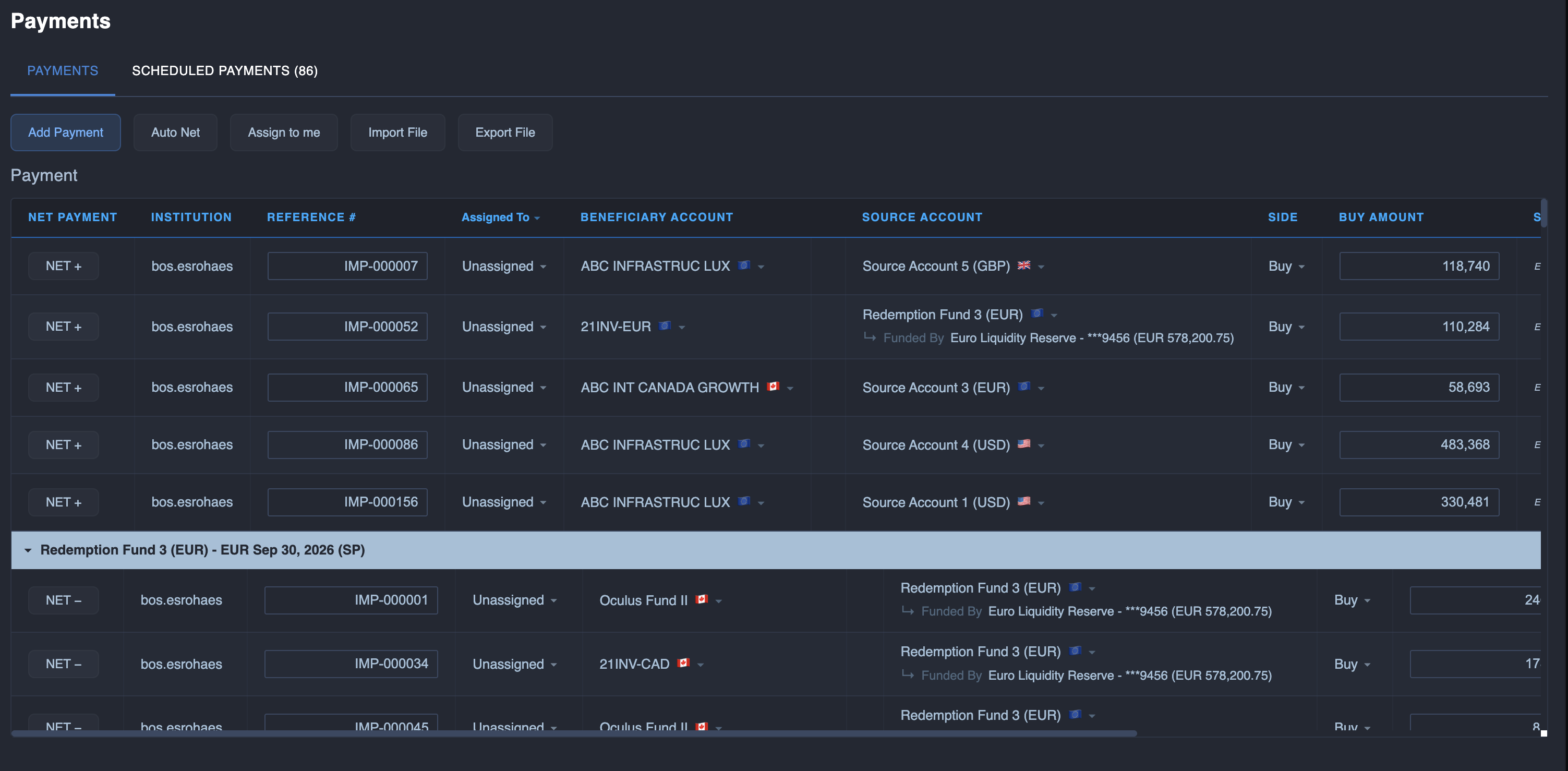
External Funding Some accounts are funded by external sources like money market funds. Users needed clarity on which account would be debited.
Import Workflow
I designed a wizard that validates CSV uploads and categorizes payments into three buckets: ready, scheduled, and errors.
Errors surface at the top with red indicators. Each includes an icon explaining the issue. Once corrected, the row clears. Users review everything before confirming.
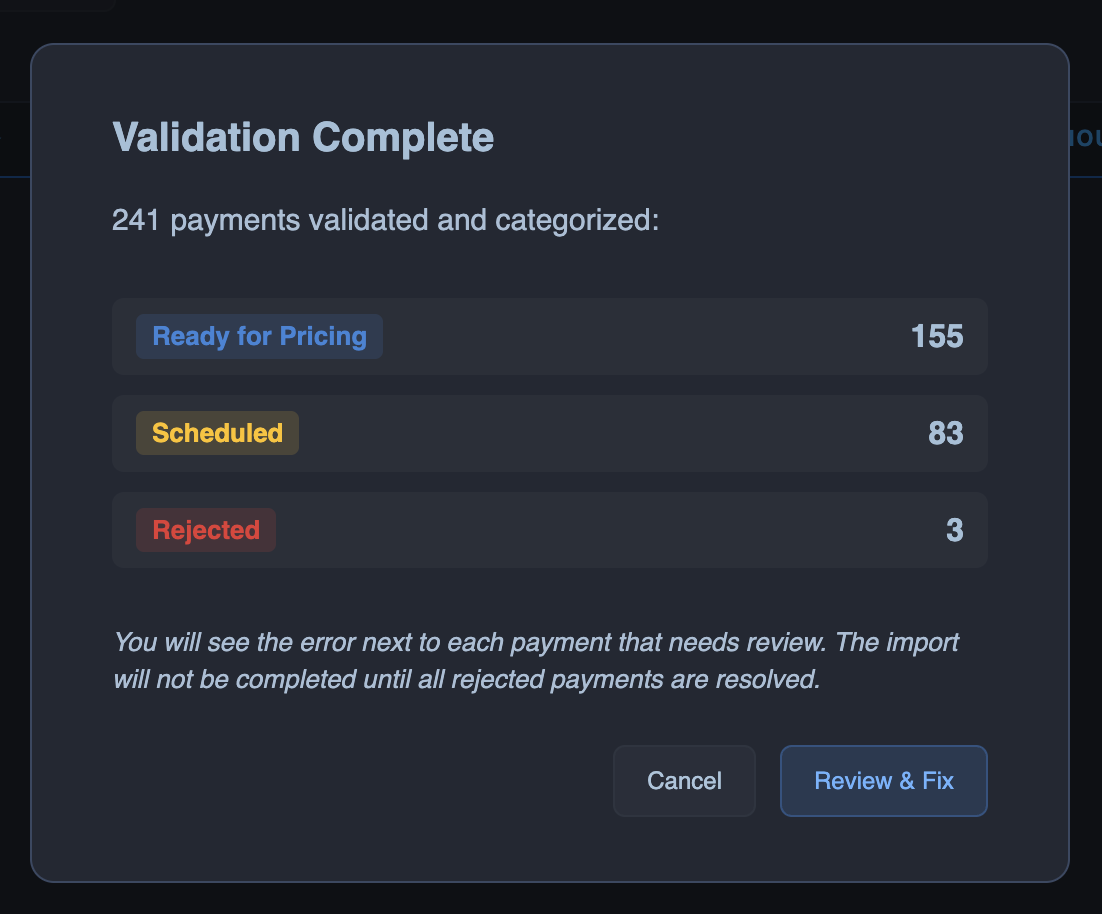
Validation modal showing payment breakdown
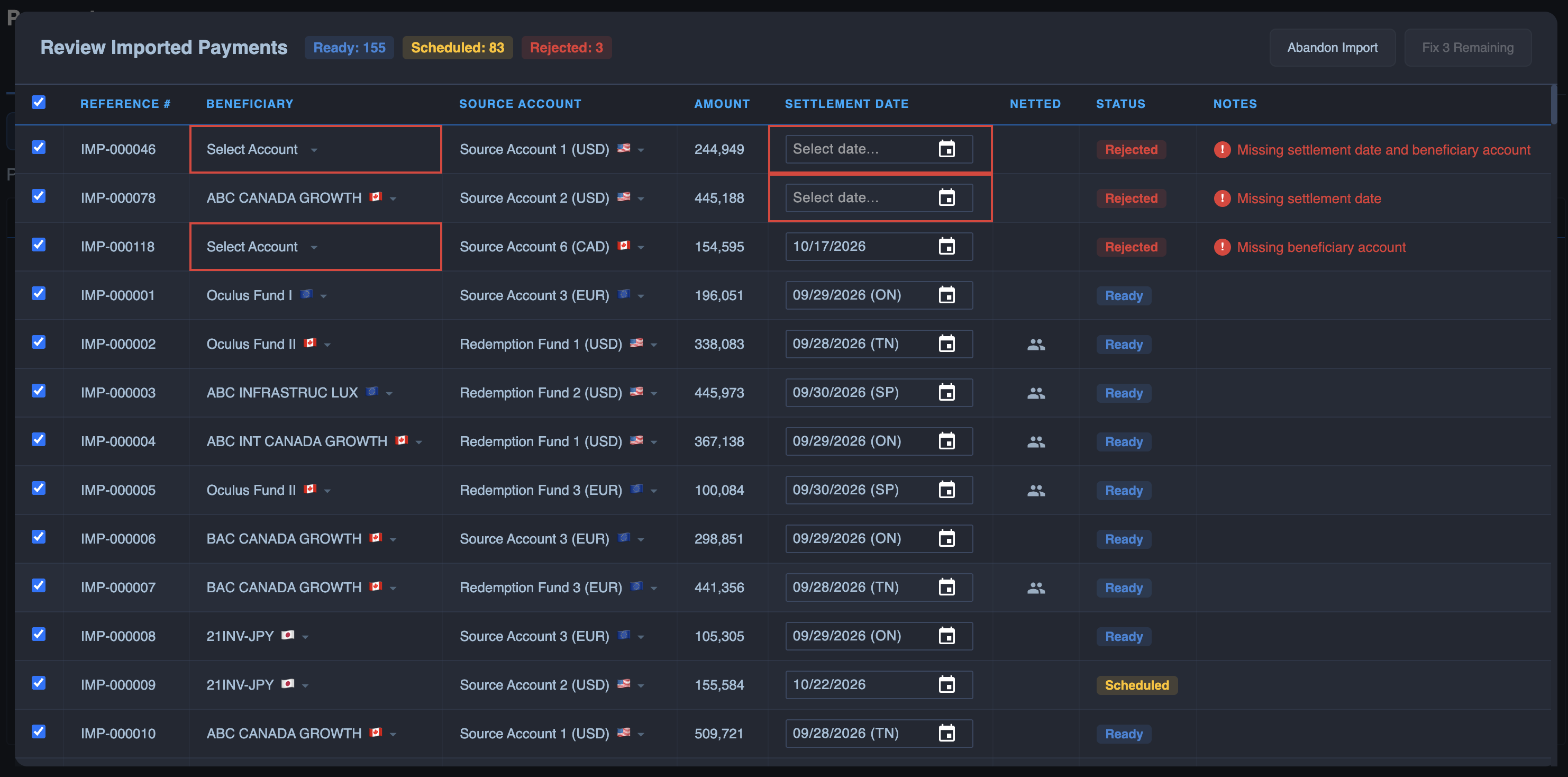
Errors surfaced at the top
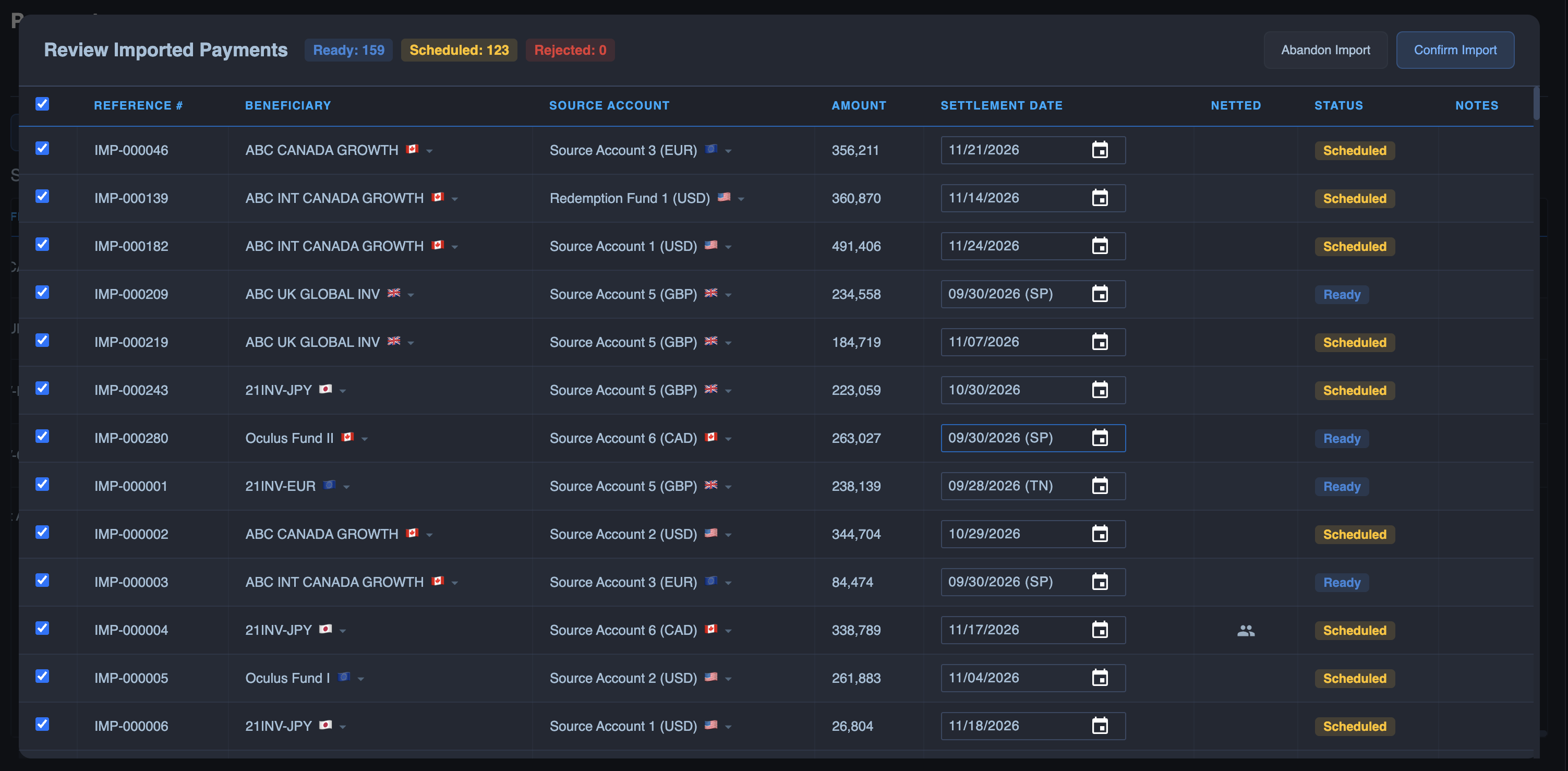
All errors resolved
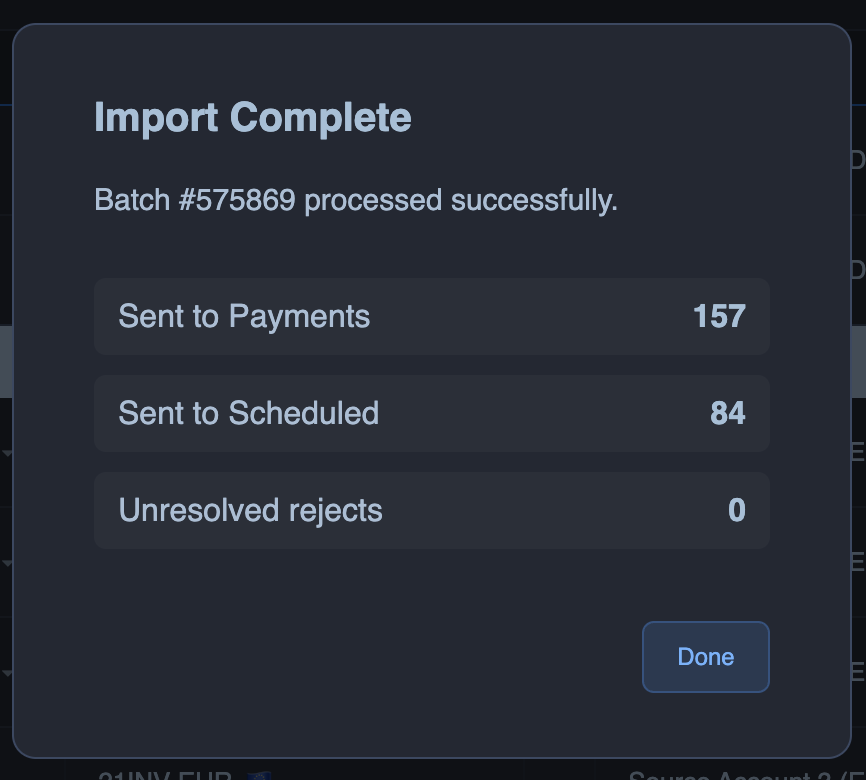
Final review
Import workflow demonstration
Scheduling
I added a separate table for scheduled payments and redesigned the calendar to display tenor dates. Payments outside the window automatically move to scheduled.
A line chart expands on hover to show projected FX costs using third-party pricing data.
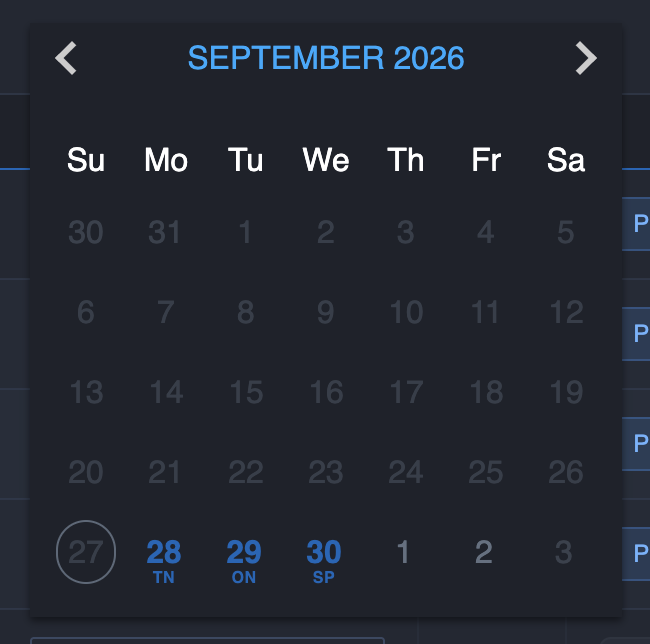
Calendar displaying tenor dates
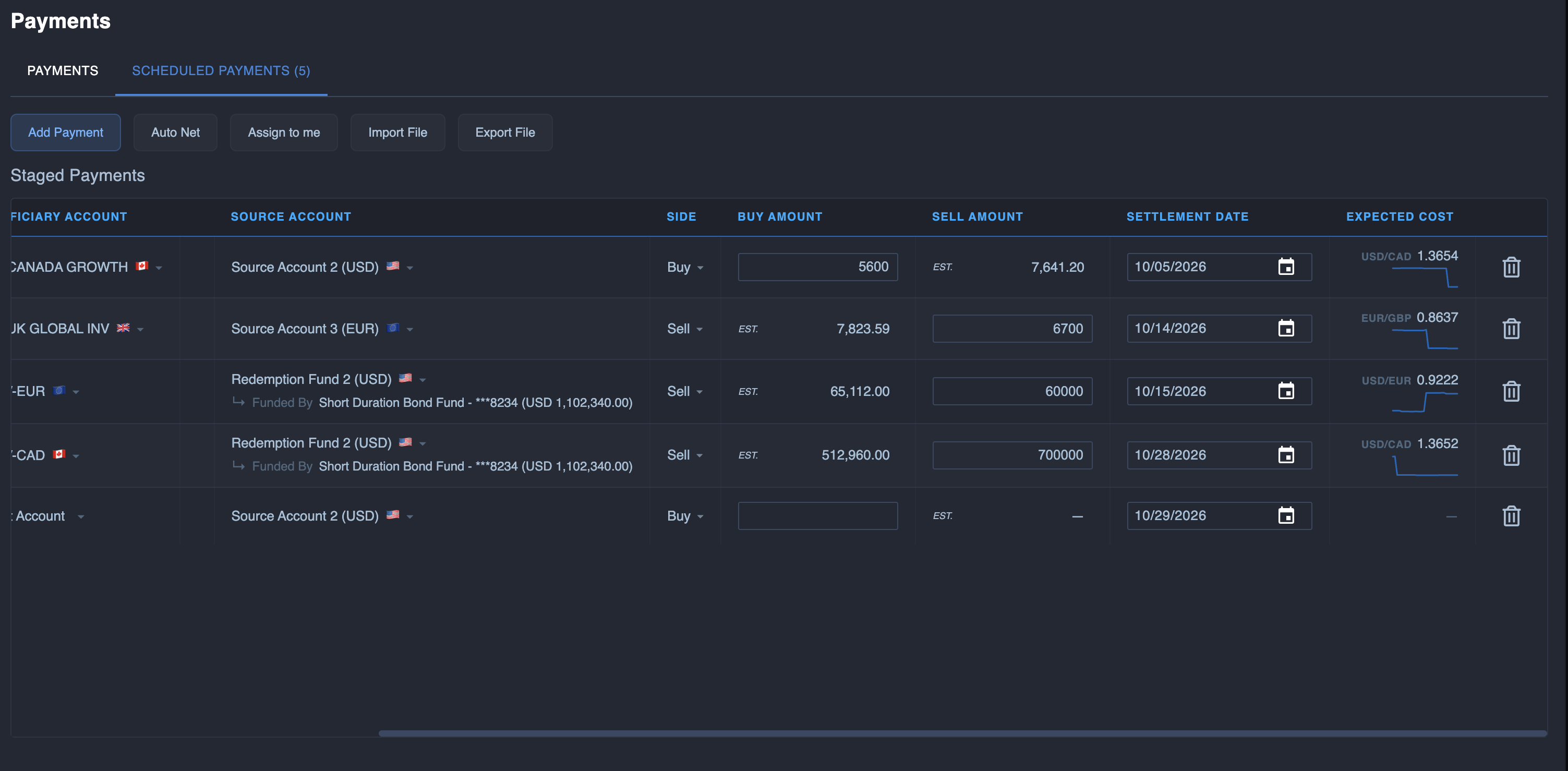
Scheduled payments table
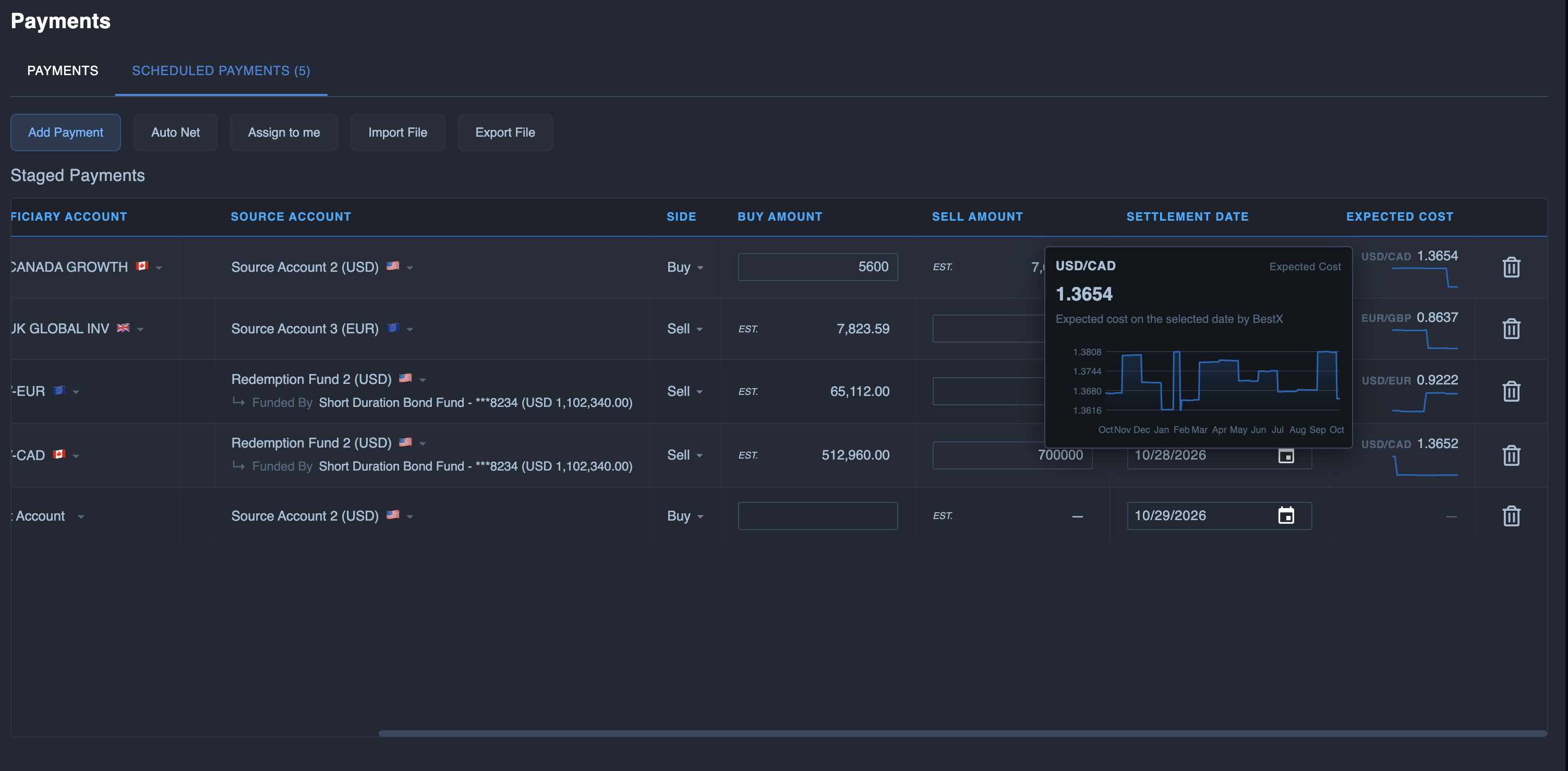
Projected FX pricing on hover
Repatriation
When a repatriation account is selected, a tooltip explains that this will be a sell action. Users can dismiss future notifications.
The side dropdown remains enabled for rare buy cases.
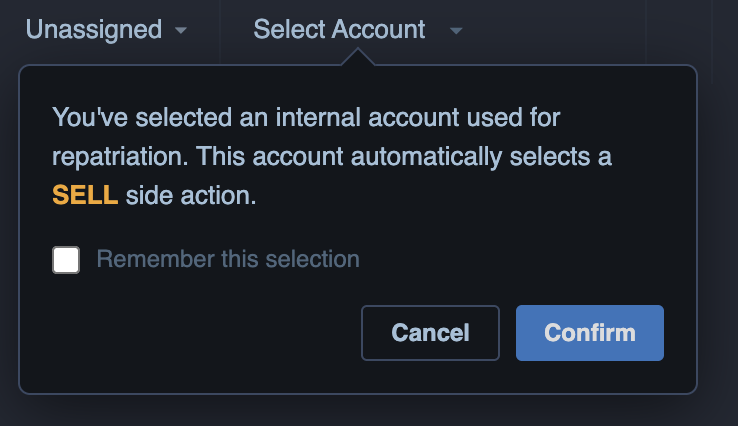
Tooltip on repatriation account selection
External Funding
A “Funded by” label shows which accounts have external funding. When users click Price, a modal requires them to select which account to debit.
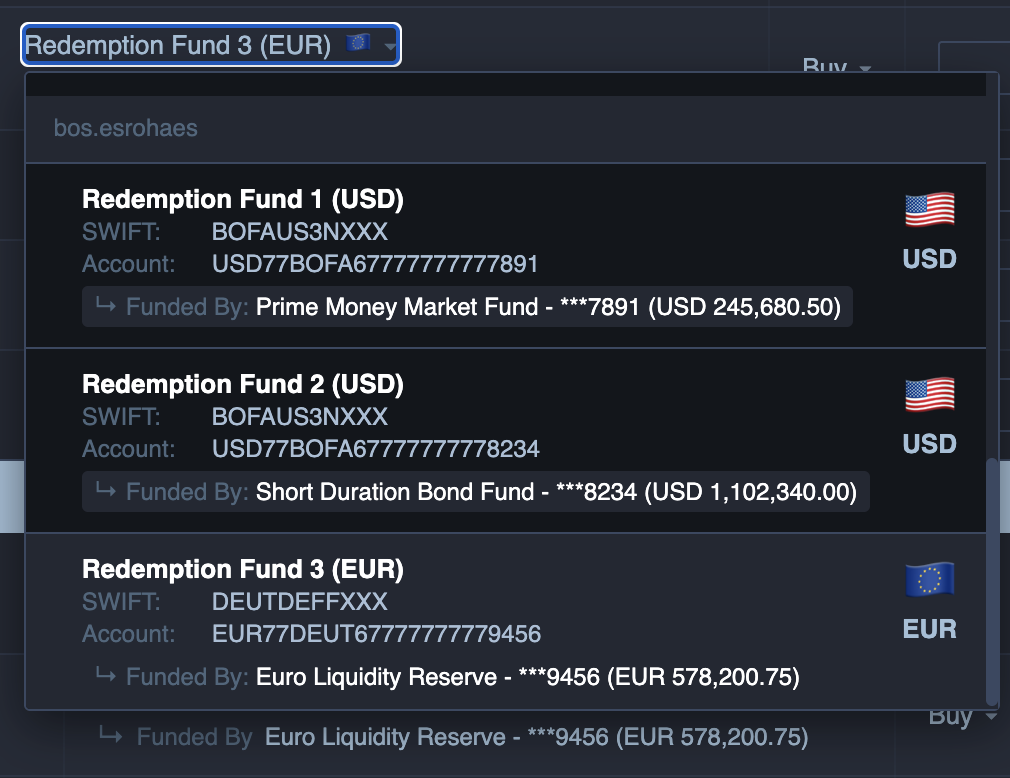
External funding indicator
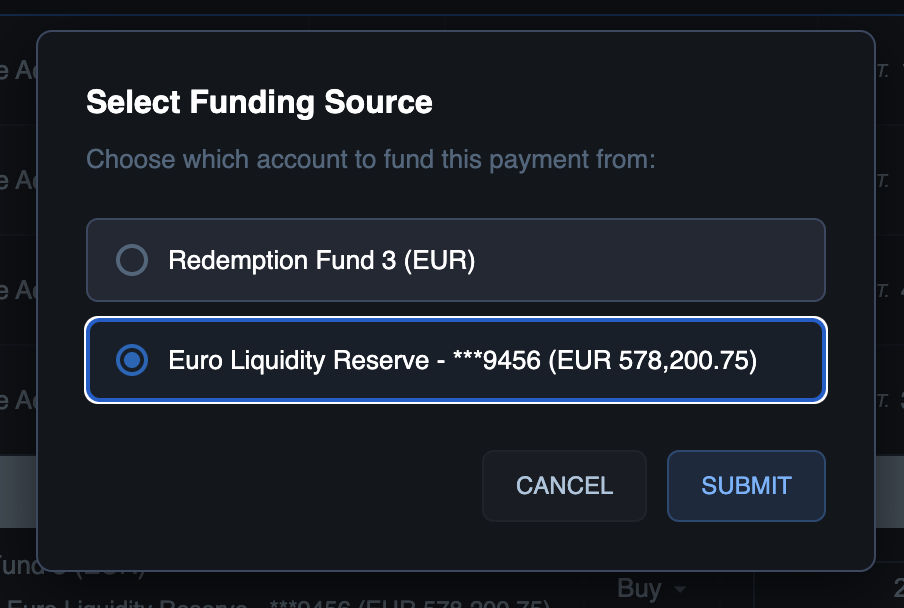
Funding source selection modal
Visual Design Refresh
Working with the global UI team to incorporate their design system.
Reflection
This phase is modal-heavy by design. We wanted non-destructive import and editing, and modals create clear boundaries. Users of complex financial software expect this pattern.
Initial client feedback has been positive, particularly around the import workflow.